
Understanding Electric Custom Guitars

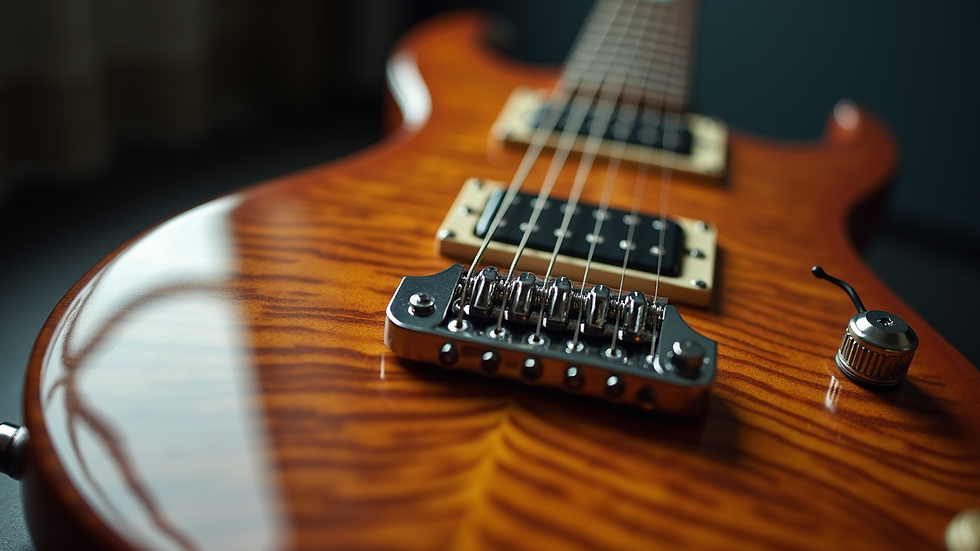
Custom electric guitars represent the pinnacle of personalized musical instruments. They offer a unique blend of craftsmanship, innovation, and individual expression. For serious guitarists, owning a custom-built guitar is not just about aesthetics; it is about achieving a sound and feel tailored precisely to their playing style and artistic vision. In this post, I will share insights into what makes custom electric guitars exceptional, how to approach customization, and why investing in one can elevate your musicianship.
Understanding Electric Custom Guitars
Custom electric guitars differ significantly from mass-produced models. They are crafted with attention to detail, using premium materials and components selected to meet specific player requirements. The process involves collaboration between the builder and the guitarist, ensuring every element—from wood choice to electronics—aligns with the desired tone and playability.
One key aspect is the selection of tonewoods. Different woods affect the guitar’s resonance and sustain. For example, mahogany offers warmth and depth, while maple provides brightness and clarity. Custom builders often combine woods to balance tonal characteristics. Additionally, hardware such as pickups, bridges, and tuning machines are chosen to optimize performance and reliability.
The neck profile and fretboard radius are also tailored to fit the player’s hand comfortably. This customization reduces fatigue and enhances precision during complex playing. Moreover, custom guitars often feature unique finishes and inlays, reflecting the musician’s personality without compromising functionality.

The Craftsmanship Behind Custom Electric Guitars
The craftsmanship involved in building a custom electric guitar is meticulous. Skilled luthiers apply traditional techniques alongside modern technology to ensure precision and durability. Each guitar undergoes rigorous quality checks at every stage, from shaping the neck to installing electronics.
Hand carving the neck and body contours allows for ergonomic designs that mass production cannot replicate. This attention to detail improves playability and comfort. The finishing process, often involving multiple layers of lacquer or oil, protects the wood and enhances its natural beauty.
Electronics installation is another critical step. Custom guitars frequently feature hand-wound pickups, which provide a richer and more dynamic sound compared to factory-made alternatives. Wiring is carefully routed to minimize noise and maximize signal clarity.
The final setup includes adjusting the action, intonation, and pickup height to suit the player’s preferences. This ensures the guitar performs optimally right out of the case.
How can I customize my own electric guitar?
Customizing your own electric guitar begins with identifying your priorities. Consider what aspects of your current instrument you want to improve or change. Here are some practical steps to guide you through the process:
Define Your Sound Goals
Decide on the tonal qualities you want. Are you looking for a warmer, vintage sound or a brighter, modern tone? This will influence your choice of pickups, woods, and hardware.
Choose the Body and Neck Woods
Research how different woods affect tone and weight. For example, alder is lightweight with balanced tone, while swamp ash offers pronounced highs and lows.
Select the Neck Profile and Scale Length
Try different neck shapes and lengths to find what feels most comfortable. This is crucial for long playing sessions and technical styles.
Pick Your Electronics
Decide on the type and configuration of pickups (single-coil, humbucker, P90) and controls (volume, tone, coil-splitting). Custom wiring can add versatility.
Consider Aesthetic Details
Choose finishes, inlays, and hardware colors that reflect your style. Remember, these should complement the guitar’s function.
Work with a Reputable Builder
Collaborate with a skilled luthier who understands your vision. Provide clear specifications and be open to their expert advice.
Plan for Setup and Maintenance
Ensure your custom guitar is professionally set up and maintained to preserve its performance and longevity.
By following these steps, you can create an instrument that not only looks exceptional but also enhances your playing experience.

Why Choose a Custom Electric Guitar Over Mass-Produced Models?
Mass-produced guitars are designed to appeal to a broad audience, often sacrificing individuality and specific performance needs. Custom electric guitars, on the other hand, are built with precision to meet the exact demands of the player.
Here are some advantages of choosing a custom guitar:
Tailored Playability: Neck shape, fret size, and action are customized for comfort and technique.
Superior Materials: Builders select premium woods and components that enhance tone and durability.
Unique Sound: Hand-wound pickups and custom electronics deliver a distinctive voice.
Personalized Aesthetics: Custom finishes and details make the guitar a true reflection of the player.
Enhanced Value: Custom guitars often retain or increase their value due to craftsmanship and rarity.
For serious musicians, these benefits translate into better performance and greater satisfaction.
Investing in Your Musical Future with a Custom Guitar
Choosing to invest in a custom guitar is a commitment to your craft. It is an investment in an instrument that grows with you and supports your artistic development. A well-made custom guitar can inspire creativity and provide the reliability needed for professional performance.
When selecting a builder, prioritize those who demonstrate expertise and a passion for quality. Ask for references, review portfolios, and discuss your goals in detail. A collaborative approach ensures the final product exceeds expectations.
Remember, a custom guitar is more than a tool; it is an extension of your musical identity. Taking the time to understand the options and making informed decisions will result in an instrument that serves you for years to come.
For those ready to explore the possibilities, consider starting with a consultation to discuss your vision and requirements. This step lays the foundation for a successful custom build.
If you are interested in exploring options for an electric custom guitar, take the time to research and connect with builders who prioritize craftsmanship and player satisfaction. Your ideal instrument awaits.


Comments