
Designing Your Perfect Custom Guitar

Creating a guitar tailored to your exact preferences is a rewarding process. It allows you to build an instrument that matches your playing style, sound requirements, and aesthetic taste. I will guide you through the essential steps and considerations for designing your perfect custom guitar. This approach ensures you end up with a high-quality instrument that feels and sounds exactly how you want.
Understanding the Basics of Designing Custom Guitars
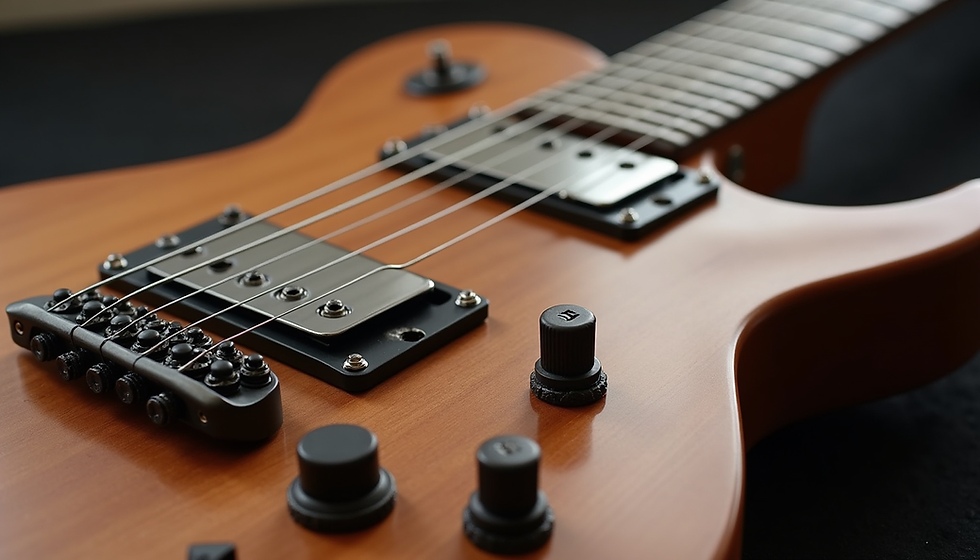
Before diving into the specifics, it is important to understand the core elements that define a guitar’s character. These include the body shape, wood types, neck profile, pickups, and hardware. Each component influences the playability and tone of the instrument.
Body Shape: The shape affects comfort and sound resonance. Common shapes include Strat-style, Tele-style, and Les Paul-style. Consider how you hold the guitar and the style of music you play.
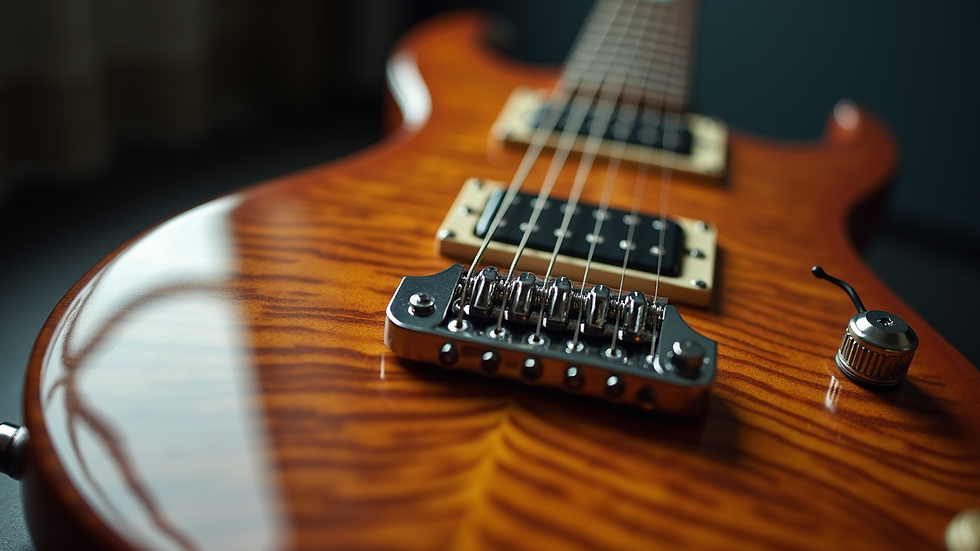
Wood Selection: Different woods produce different tones. Mahogany offers warmth, alder provides balanced tones, and maple adds brightness. The choice of wood for the body, neck, and fretboard is crucial.
Neck Profile: The thickness and shape of the neck impact how the guitar feels in your hand. Options range from slim C-shapes to thicker U-shapes.
Pickups: These determine the guitar’s voice. Single-coils offer clarity and brightness, while humbuckers provide a thicker, warmer sound.
Hardware: Tuners, bridges, and knobs affect tuning stability and playability.
Taking time to research and decide on these elements will help you design a guitar that suits your needs perfectly.

Key Steps in Designing Custom Guitars
Designing a custom guitar involves several stages, from initial concept to final assembly. Here is a practical breakdown of the process:
Define Your Goals
Start by listing what you want from your guitar. Consider tone, playability, and appearance. Are you looking for a vintage sound or a modern edge? Do you prefer a lightweight instrument or something with more sustain?
Choose the Body and Neck Woods
Select woods based on your tonal goals. For example, mahogany bodies with maple tops are popular for warm yet bright tones. For the neck, maple is common for stability, while rosewood fretboards add smoothness.
Select the Body Shape and Size
Decide on a shape that fits your playing style. If you perform standing up, comfort and balance are key. If you play seated, consider how the guitar rests on your leg.
Pick the Neck Profile and Scale Length
The neck profile should feel comfortable for your hand size and playing technique. Scale length affects string tension and tone; 25.5 inches is standard for bright tones, while 24.75 inches offers a warmer sound.
Choose Pickups and Electronics
Decide on the type and configuration of pickups. Single-coils are great for clean tones, humbuckers for distortion. You can also opt for coil-splitting or active pickups for versatility.
Select Hardware and Finishes
Hardware quality impacts tuning stability and durability. Choose finishes that protect the wood and match your aesthetic preferences.
Work with a Skilled Builder
Collaborate closely with a luthier or custom guitar shop. Provide detailed specifications and ask for progress updates. This ensures the final product meets your expectations.
By following these steps, you can systematically design a guitar that fits your exact requirements.
Who is the Best Custom Guitar Maker?
Choosing the right builder is as important as the design itself. A skilled luthier brings your vision to life with precision and craftsmanship. When selecting a custom guitar maker, consider the following:
Experience and Reputation
Look for builders with a proven track record of producing high-quality instruments. Reviews and testimonials from professional musicians can provide insight.
Customization Options
The best makers offer a wide range of options and are willing to accommodate unique requests.
Communication
Effective communication is essential. The builder should listen carefully and provide clear updates throughout the process.
Quality of Materials and Workmanship
Inspect examples of their work to assess finish quality, hardware installation, and overall build integrity.
Warranty and Support
A reputable builder stands behind their instruments with warranties and ongoing support.
Taking the time to research and select the right custom guitar maker will ensure your investment results in an instrument you cherish.

Fine-Tuning Your Guitar’s Playability and Sound
Once the main design is set, focus on details that affect playability and tone. These adjustments can make a significant difference in your experience.
Setup and Action
Proper string height and neck relief improve comfort and reduce fret buzz. A professional setup tailored to your playing style is essential.
Pickup Height and Wiring
Adjusting pickup height can balance output and tone. Wiring options like coil-splitting or phase switching add versatility.
Nut and Bridge Materials
Materials like bone or graphite for the nut improve tuning stability and sustain. The bridge type also influences tone and intonation.
Fret Size and Material
Larger frets facilitate bending and vibrato, while smaller frets offer precision. Stainless steel frets last longer but feel different than traditional nickel.
Finish and Weight
The finish affects resonance and feel. Some players prefer thin finishes for better tone. Weight distribution impacts comfort during long sessions.
Discuss these options with your builder to optimize your guitar’s performance.
Bringing Your Vision to Life with Steele Guitars
Designing a custom guitar is a collaborative journey. At Steele Guitars, the focus is on empowering serious musicians to express their passion through expertly crafted, personalized instruments. Every detail is carefully considered to deliver a guitar that meets professional standards.
When you choose to design your guitar with a dedicated builder, you gain access to expert advice, premium materials, and meticulous craftsmanship. This partnership ensures your instrument is not only visually stunning but also performs flawlessly.
If you are ready to take the next step, explore the possibilities with custom guitars. Your perfect guitar awaits.
Final Thoughts on Designing Your Custom Guitar
Designing your perfect custom guitar requires careful planning, informed decisions, and collaboration with skilled craftsmen. By focusing on the essential elements - from wood selection to hardware choices - you create an instrument that truly reflects your style and needs.
Remember to prioritize playability and tone, and do not hesitate to ask questions throughout the process. The result will be a guitar that inspires you every time you play.
Investing in a custom guitar is investing in your musical journey. Take the time to design thoughtfully, and you will enjoy an instrument that supports your passion for years to come.

Comments